
Quick answer
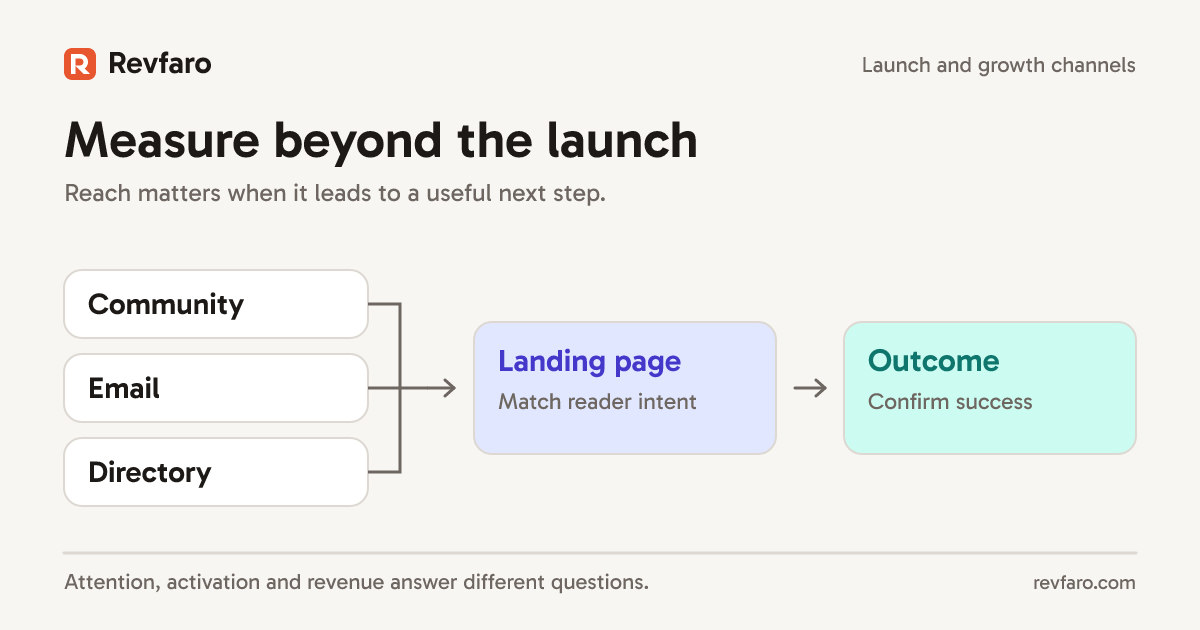
A YouTube tutorial can educate prospective customers long before they are ready to buy. Attribution should connect trackable description or pinned links to onsite setup and product outcomes while recognizing untracked video influence.
Key takeaways
- Map videos to current setup instructions and destinations.
- Measure confirmed setup separately from link clicks.
- Keep platform watch metrics separate from website behavior.
Separate video engagement from website intent
Views, watch time, and subscribers come from platform analytics. Website analytics records visits after someone clicks a link and actions taken on your site. The datasets cannot be equated directly.
Use tagged links for controlled video descriptions and calls to action. Maintain a unique content label for major tutorials.
Match the destination to the demonstration
If a tutorial explains tracking installation, link to accurate setup instructions or a relevant feature page. A generic homepage can create friction. Make sure product screens and version-specific steps shown in the video remain current.
Track first successful setup, activation, and verified purchase rather than clicks alone.
Interpret an example
Video A draws many views but sends few visitors; Video B has a smaller audience and drives twenty activated trials. The latter may be more commercially relevant, though A can still build awareness.
Visitors may search for your brand later rather than click the video link. Do not force those unobserved paths into a fabricated exact attribution total.
Maintain the tutorial library
Update descriptions, pinned corrections, captions, and landing pages after integration changes. Annotate video releases and test whether affected onboarding cohorts improve.
Maintain a tutorial-to-setup map
Keep one row per important video with the public video URL, demonstrated product version, approved destination, campaign name and last instruction review. When an integration changes, this map shows which descriptions and landing pages need attention before new viewers follow outdated steps.
For an illustrative installation video, define success as a verified setup action rather than a description-link click. Use campaign links to identify controlled arrivals and a deliberately instrumented goal for the relevant completion. If the task occurs outside the website and is not reported, label completion as unobserved.
Keep video views and watch time in the platform's reporting. Revfaro's website dashboard does not infer how much of a video a visitor watched before arriving. Add a release note when the tutorial or setup flow changes, and compare equivalent observation windows. A refreshed description can fix reader friction without proving that every subsequent branded search was influenced by that video.
Related reading
- SaaS Waitlist Conversion Analytics: From Signup to Activation
- Product Hunt Launch Analytics: Measure More Than Upvotes
Frequently asked questions
Can website analytics report YouTube watch time?
Not from ordinary site visits; use the platform's permitted reporting for that metric.
Are all branded searches after a video attributable to YouTube?
No. Timing may suggest influence, but it does not prove individual purchase causation.