
Quick answer
X traffic analytics should reveal which topics bring qualified users to your SaaS and what those users do next. Likes, reposts, and follower growth are not substitutes for activated customers.
Key takeaways
- Use public campaign labels and retain the exact post reference separately.
- Report source detail only as precisely as the evidence allows.
- Manual notes do not mean automatic X monitoring is active.
Tag links and distinguish formats
Use one source label for X and a consistent organic-social medium. Track post or thread identity in a campaign content field when appropriate. Keep promotions, founder updates, and technical tutorials distinguishable.
Avoid exposing user identifiers in URLs. Check redirects and link previews to ensure tagged destinations remain accurate.
Connect posts with product outcomes
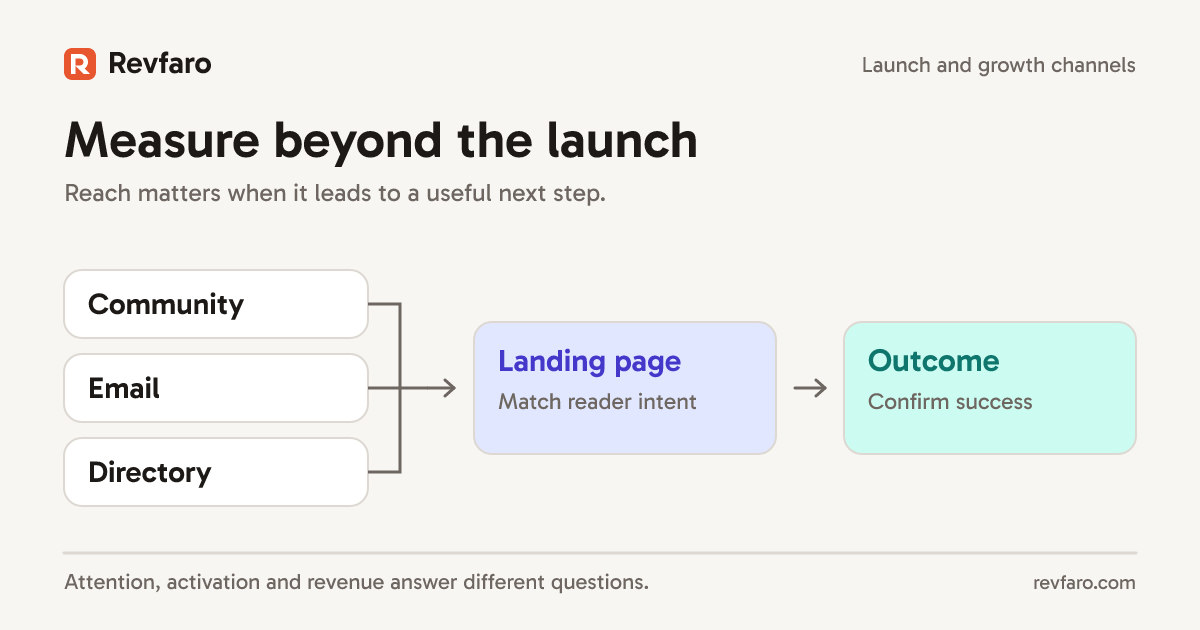
Measure onsite sessions, signup success, first-value actions, and verified commercial outcomes. Use a realistic lookback period because readers may discover a product through a thread and return later.
Do not force every direct or unknown visit to an X post simply because a post was popular that day.
Interpret two contrasting posts
A short launch announcement may drive 2,000 visits with twenty activations; a specific integration guide may drive 300 visits with fifteen activations. The second can have stronger product relevance despite smaller reach.
Examine new-customer retention before optimizing entirely for technical content; not every reader is a buyer.
Build an ongoing learning loop
Publish practical demonstrations, answer questions accurately, and link to useful documentation. Review topic clusters by qualified outcomes rather than optimizing the format for platform reactions alone.
Make an individual post review reproducible
For a controlled link, use a short public campaign name such as “integration-thread” and keep the exact post URL in an internal campaign register. Record the destination, publication time and intended success action. Avoid customer identifiers or private tokens in any tag.
Use Revfaro's link builder to keep the source and campaign consistent, then inspect recorded visitors and goals for that campaign. If only a platform referrer survives, report the source at that coarser level. Do not claim a specific post match without evidence.
Add a manual chart note for the publication time when it helps interpret a spike. Notes describe context; they are not automatic X monitoring, and automatic social monitoring is currently disabled. Keep likes, reposts and public impressions in the platform record, separate from visits and payments. A technically useful thread can be worth improving without pretending that every later direct visit came from it.
Related reading
- LinkedIn Content Attribution for B2B SaaS Founders
- Community-Led Growth Analytics for Small SaaS Teams
- Product Hunt Launch Analytics: Measure More Than Upvotes
Frequently asked questions
Does a repost create an attributed visitor?
Only a resulting site visit can be recorded by website analytics, and the source may sometimes be unknown.
Can I compare X and LinkedIn just by clicks?
You can compare traffic volume, but customer intent and conversion quality are more important for budget decisions.